
Introduction
Are you looking to boost your online success? Are you searching for effective ways to drive more traffic to your website? Look no further than paid traffic. In this post, we will explore the top tips for achieving online success using paid traffic.
What is paid traffic?
Paid traffic refers to the practice of acquiring visitors to your website through online advertising methods such as search engine marketing, display advertising, and social media advertising. Unlike organic traffic, which is generated through natural means, paid traffic involves paying for advertising space or clicks to attract potential customers.
Why is it important for online success?
Paid traffic plays a crucial role in online success. It helps you reach a wider audience, generate more leads, increase brand visibility, and drive sales. By investing in paid traffic, you can bypass the time-consuming process of building organic traffic and immediately boost your online presence.
How can paid traffic help you achieve your goals?
Paid traffic provides several benefits that can propel you towards online success. Firstly, it allows you to target specific demographics, ensuring that your advertising efforts reach the right audience. Secondly, paid traffic can provide immediate results, delivering an influx of visitors to your website in a short period. Lastly, by utilizing analytics and tracking tools, you can measure the effectiveness of your paid traffic campaigns and optimize them for better results.
paid traffic is an essential tool for online success, offering the ability to reach a wider audience, increase brand visibility, and drive conversions. By implementing the top tips for using paid traffic, you can maximize your online presence and achieve your goals in no time.
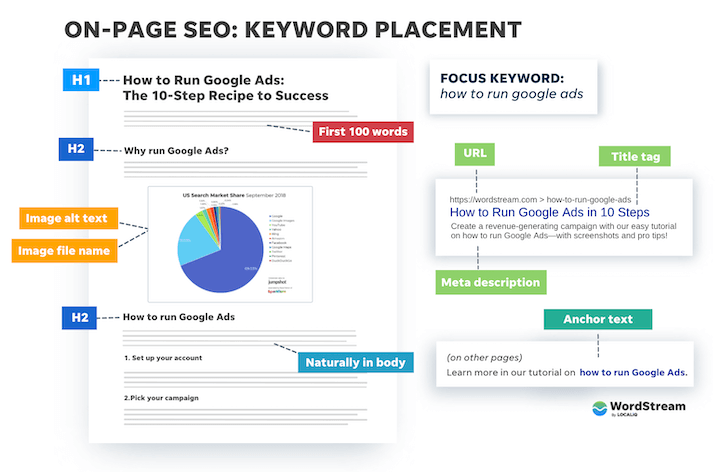
This image is property of www.wordstream.com.
Understanding Different Types of Paid Traffic
Paid traffic is an essential component of any online marketing strategy, as it can help drive targeted visitors to your website and increase conversion rates. However, it’s important to understand the different types of paid traffic available to ensure you make the most of your investment. In this section, we will explore three popular forms of paid traffic: search engine advertising, social media advertising, and display advertising.
Search engine advertising
Search engine advertising, often referred to as pay-per-click (PPC) advertising, allows you to display targeted ads on search engine results pages. By bidding on relevant keywords, your ads will be shown to users who are actively searching for products or services similar to yours. This form of advertising can be highly effective in driving traffic to your website, as you can reach a large audience with specific interests.
Social media advertising
With the rise of social media platforms like Facebook, Instagram, and Twitter, social media advertising has become a powerful tool for online success. By creating targeted ads and leveraging the extensive user data available, you can reach your ideal audience and drive traffic to your website. Social media advertising is particularly effective for building brand awareness and engaging with potential customers.
Display advertising
Display advertising involves placing visual ads on websites, apps, or social media platforms. These ads can be in the form of banners, videos, or interactive content. Display advertising allows you to target specific audience segments based on demographics, interests, or browsing behavior. This type of paid traffic can increase brand visibility and generate leads, making it a valuable addition to your online marketing strategy.
By understanding the different types of paid traffic and how they can benefit your business, you can maximize your online success. Consider incorporating search engine advertising, social media advertising, and display advertising into your marketing efforts to drive targeted traffic and achieve your business goals.
This image is property of cdn.shopify.com.
Creating a Targeted and Compelling Ad Campaign
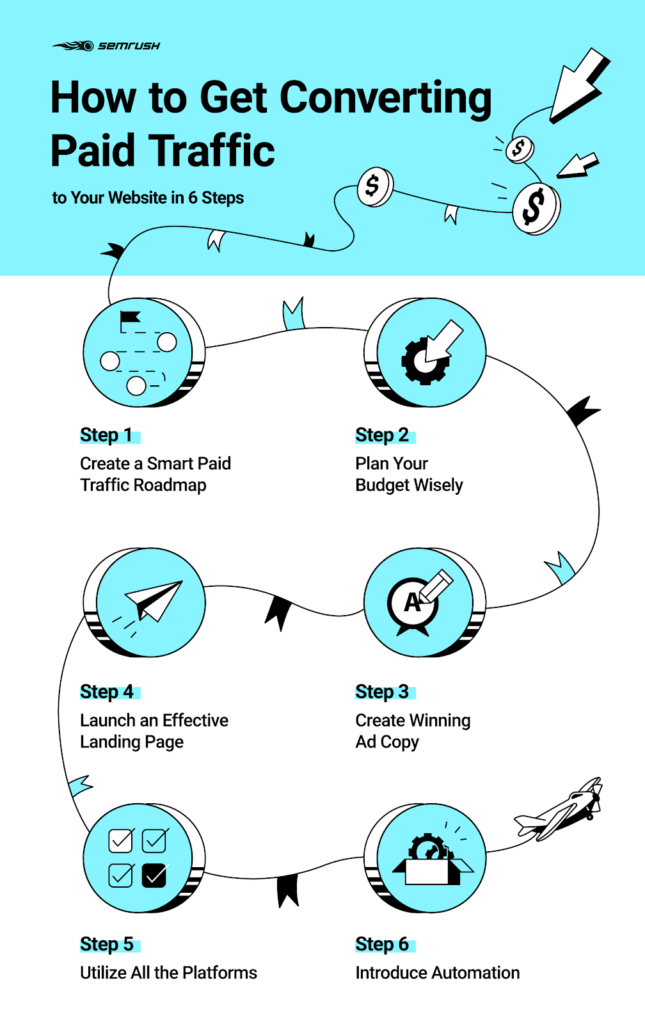
To achieve online success using paid traffic, it is crucial to create a targeted and compelling ad campaign that effectively reaches and engages your desired audience. By following these top tips, you can increase the effectiveness of your paid traffic strategy.
Identifying your target audience
Understanding your target audience is vital for creating a successful ad campaign. Delve deep into demographics, interests, and behaviors of your ideal customers. This information will help you craft ads that resonate with your audience and drive conversions.
Crafting persuasive ad copy
The words you choose for your ad copy can make all the difference. Clearly communicate the value proposition and benefits of your product or service, addressing pain points and offering solutions. Use persuasive language and a strong call to action, prompting users to take the desired action.
Designing eye-catching visuals
In the digital realm, visuals are essential for grabbing attention. Use high-quality images, videos, or graphics that align with your brand and capture the essence of your offering. Optimize visuals for different platforms and ensure they are visually appealing, compelling, and convey your message effectively.
By implementing these tips in your ad campaign, you can maximize the impact of your paid traffic efforts. Remember, it’s not just about reaching a wide audience but engaging them in a way that drives conversions and leads to online success. So, take the time to understand your target audience, craft persuasive ad copy, and design eye-catching visuals to create a truly compelling online experience for your potential customers.
This image is property of static.semrush.com.
Optimizing Landing Pages for Conversion
Choosing the right landing page
When it comes to paid traffic, the landing page you choose can significantly impact your online success. It’s important to select a landing page that aligns with your campaign’s goals and target audience. Consider the specific product or service you’re promoting and ensure that the landing page clearly reflects its value and functionality. Invest time in understanding your audience’s preferences and pain points to create a landing page that resonates with them.
Structuring your landing page for maximum impact
To maximize the effectiveness of your landing page, pay attention to its structure. Start with a compelling headline that grabs attention and communicates the primary benefit or solution. Structure the rest of the page with organized sections and subheadings, making it easy for visitors to digest the information. Use clear and concise language to describe the features, benefits, and testimonials that support your offer. Incorporate visual elements such as images, videos, or infographics to enhance engagement and understanding.
Implementing effective call-to-action buttons
A call-to-action (CTA) is a crucial element of any successful landing page. It is what compels your visitors to take the desired action. To optimize your CTA buttons, place them strategically on your landing page, ensuring they are highly visible and easily clickable. Use concise and action-oriented wording that clearly communicates the next step you want your visitors to take. Experiment with various button colors and sizes to find the combination that generates the highest conversion rates.
By optimizing your landing pages for conversion, you can increase the effectiveness of your paid traffic campaigns. Choose the right landing page that resonates with your audience, structure it in a way that maximizes impact, and implement persuasive call-to-action buttons. This will help you achieve online success through paid traffic.
Setting and Managing a Budget
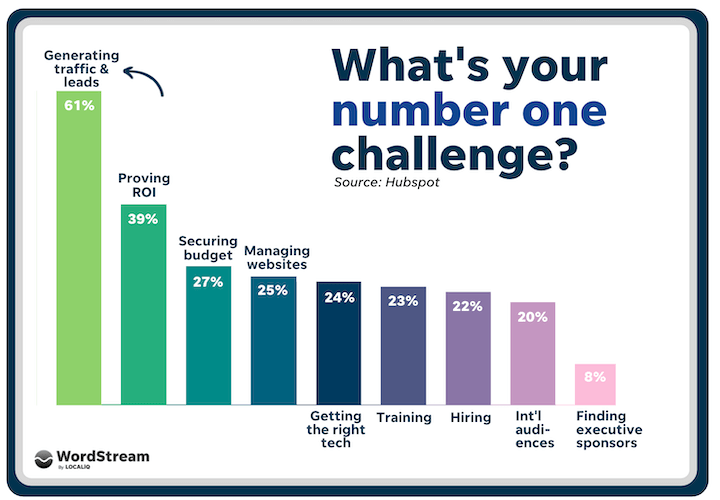
Whether you are a new online business or a seasoned entrepreneur looking to maximize your online success, setting and managing a budget for paid traffic is crucial. Allocating your resources effectively will not only help you reach your target audience but also ensure a high return on investment (ROI) for your advertising efforts.
Determining your advertising budget
Before diving into paid traffic, it is essential to determine how much you are willing to invest. Consider factors such as your business goals, revenue targets, and industry benchmarks. Conduct market research to understand the average cost per click (CPC) or cost per impression (CPM) within your industry. This information will allow you to set a realistic and feasible advertising budget. Remember, it is always better to start conservatively and gradually increase your budget as you measure the results.
Monitoring and adjusting your spending
Once you have established your budget, it is crucial to continuously monitor and adjust your spending. Regularly review metrics such as click-through rates (CTR), conversion rates, and cost per acquisition (CPA) to identify which campaigns are generating the most significant return. Allocate more funds to the campaigns that are performing well and consider reducing or pausing underperforming campaigns.
Tracking ROI (Return on Investment)
Tracking your ROI is essential in determining the effectiveness of your paid traffic campaigns. Establish specific goals and track the performance of your campaigns against these objectives. Monitor metrics such as customer acquisitions, revenue generated, and customer lifetime value. By tracking your ROI, you can identify which campaigns are driving the most valuable results and optimize your budget accordingly.
Remember, setting and managing a budget for paid traffic requires a strategic approach. Implement these tips, regularly monitor your campaigns’ performance, and make data-driven adjustments to achieve online success with paid traffic.
This image is property of www.wordstream.com.
Monitoring and Analyzing Performance Metrics
Successful online strategies rely on constant monitoring and analysis of performance metrics to ensure optimal results. By tracking key performance indicators (KPIs) and leveraging analytics tools, you can gain valuable insights into the effectiveness of your paid traffic campaigns and make data-driven decisions to enhance your online success.
Key performance indicators (KPIs) to track
Identifying and monitoring KPIs is crucial for evaluating the performance of your paid traffic efforts. Metrics such as click-through rate (CTR), conversion rate, cost per acquisition (CPA), and return on investment (ROI) provide important benchmarks for assessing the effectiveness of your campaigns. By regularly monitoring these KPIs, you can identify trends, strengths, and weaknesses, allowing you to optimize your strategies for better results.
Using analytics tools to measure success
Analytics tools provide invaluable insights into your website’s performance and user behavior. Platforms like Google Analytics and Facebook Ads Manager offer comprehensive data on metrics such as audience demographics, user engagement, and conversion tracking. By leveraging these tools, you can gain a deeper understanding of your target audience, identify areas for improvement, and make informed decisions to maximize your online success.
Making data-driven decisions
Armed with the insights from your analytics data, you can make data-driven decisions to optimize your paid traffic campaigns. By analyzing the performance metrics, you can identify which channels, ads, and target audiences are driving the most conversions or delivering the highest ROI. This allows you to allocate your resources more effectively and refine your strategies to achieve better results. Ultimately, by embracing a data-driven approach, you can enhance your online success and drive meaningful growth for your business.
Remember, consistently monitoring performance metrics, tracking KPIs, utilizing analytics tools, and making data-driven decisions are key elements for online success using paid traffic.
This image is property of online.illinois.edu.
Continuous Testing and Optimization
To achieve online success using paid traffic, continuous testing and optimization are key. By constantly tweaking and refining your strategies, you can maximize the effectiveness of your paid campaigns and drive better results. Here are some top tips for testing and optimizing your paid traffic efforts.
Split testing different ad variations
One of the most effective ways to optimize your paid traffic is through split testing. This involves creating multiple versions of your ads and comparing their performance. By testing different headlines, images, offers, and calls to action, you can identify which variations resonate best with your target audience. This will not only help you improve click-through rates and conversions but also provide valuable insights into what works and what doesn’t.
Experimenting with different targeting options
Another crucial aspect of optimizing your paid traffic is experimenting with different targeting options. Test different demographics, interests, locations, and behaviors to determine which combination yields the best results. By targeting specific segments of your audience, you can deliver more relevant ads, increase engagement, and improve your return on investment.
Adapting to market and consumer trends
In the ever-changing online landscape, it’s essential to stay on top of market and consumer trends. By monitoring industry news, analyzing data, and keeping an eye on what your competitors are doing, you can adapt your paid traffic strategies accordingly. Stay flexible and react swiftly to shifting trends, ensuring that your ads remain relevant and continue to resonate with your target audience.
By continuously testing and optimizing your paid traffic efforts, you can fine-tune your strategies and drive online success. Remember to always split test different ad variations, experiment with various targeting options, and adapt to market and consumer trends to stay ahead of the game. With these tips, you can make the most of your paid traffic and achieve your online marketing goals.
Conclusion
Congratulations! You have reached the end of this comprehensive guide on how to achieve online success using paid traffic. Let’s recap the crucial tips mentioned throughout:
Recap of the top tips for online success using paid traffic
Throughout this guide, we have discussed several key strategies that can significantly impact your online success using paid traffic. We covered the importance of setting clear goals and objectives, optimizing your landing pages for conversions, targeting the right audience, and tracking your results diligently. Additionally, we explored the significance of creating compelling ad copy and utilizing effective call-to-action phrases.
Importance of ongoing learning and adaptation
It’s essential to remember that the digital landscape is continually evolving. New advertising platforms emerge, algorithms change, and consumer behaviors shift. To stay ahead of the curve, ongoing learning and adaptation are crucial. Stay up to date with industry trends, participate in relevant courses or webinars, and implement the latest strategies that align with your business goals.
Encouragement to take action and implement these strategies
Knowledge alone is not enough to achieve online success using paid traffic. It’s vital to take action and implement the strategies discussed in this guide. Start by evaluating your current approach, identifying areas for improvement, and incorporating these tips into your online marketing campaigns. Remember that success comes from consistent effort and continuous tweaking to optimize your results.
So, what are you waiting for? Take charge of your online success using paid traffic and start implementing these proven strategies today. Good luck!