
Introduction
Affiliate marketing is a powerful strategy that allows you to earn commissions by promoting other people’s products or services. Traditionally, having a website has been considered a key component for successful affiliate marketing. However, it is possible to achieve success in this field even without a website. In this article, we will explore effective strategies for affiliate marketing without a website.
What is affiliate marketing?
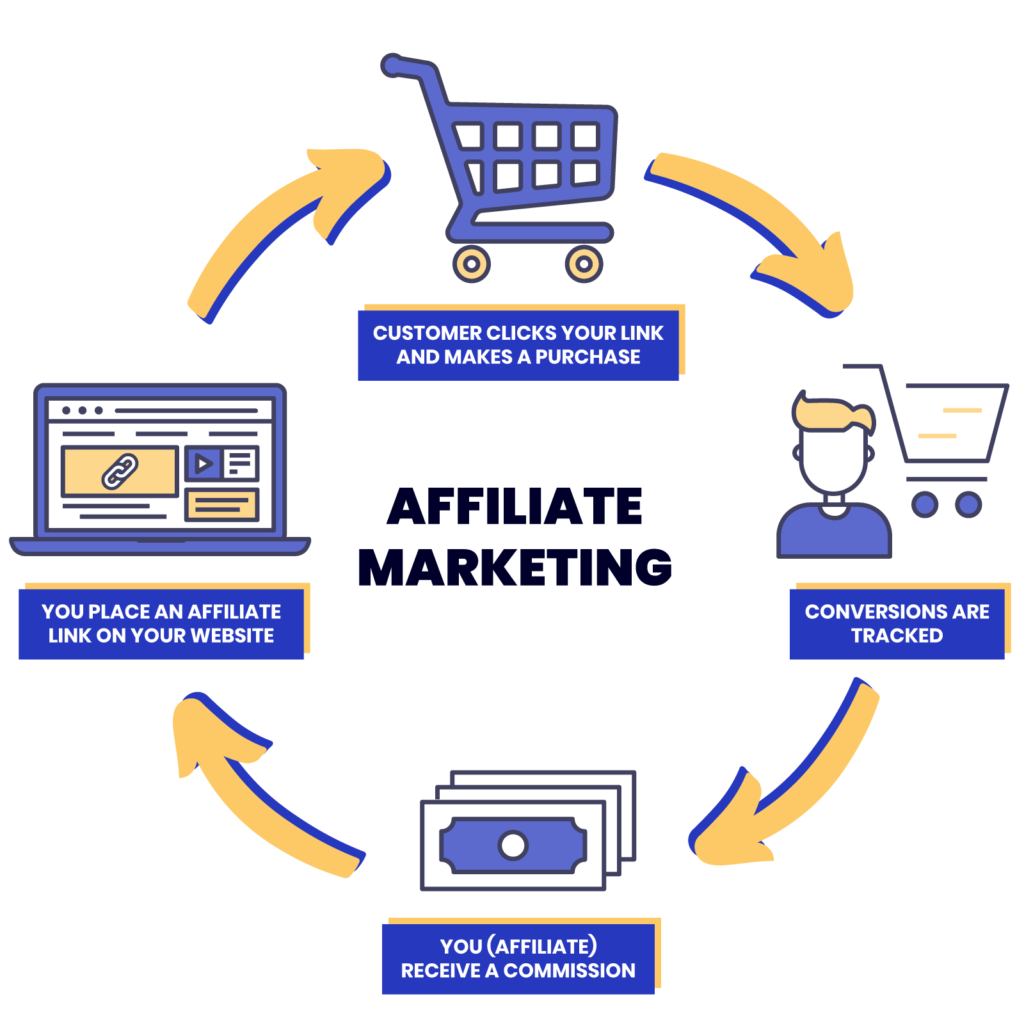
Affiliate marketing involves promoting products or services through customized referral links. When someone clicks on your referral link and makes a purchase, you earn a commission. It is a popular way for individuals to monetize their online presence and generate passive income.
Affiliate marketing without a website
While having a website provides a platform for affiliate marketing, it is not a prerequisite. There are alternative strategies that can be equally effective. For example, you can leverage social media platforms such as Instagram, Facebook, or YouTube to reach a wider audience. By creating engaging content and sharing your affiliate links, you can drive traffic and generate sales without the need for a website.
Another option is to utilize email marketing. By building an email list and sending targeted promotional emails to your subscribers, you can promote affiliate products directly without the need for a website.
although a website is commonly associated with affiliate marketing, it is not necessary for success. By leveraging social media platforms and email marketing, you can still thrive as an affiliate marketer without a website.

This image is property of prosociate.com.
Social Media Platforms for Affiliate Marketing
Affiliate marketing is an effective and lucrative way to earn passive income without the need for a website. With the growing popularity of social media platforms, it has become even easier to reach a vast audience and promote affiliate products. In this section, we will explore three social media platforms that offer great opportunities for affiliate marketing: Facebook, Instagram, and YouTube.
Utilizing Facebook for affiliate marketing
With billions of users, Facebook is a goldmine for affiliate marketers. Create a dedicated page or join relevant groups in your niche to engage with potential customers. Share engaging content, informative articles, and product recommendations. Use Facebook ads to target specific demographics and increase your reach. Encourage followers to share your posts to amplify your marketing efforts. Building relationships and trust with your audience is crucial here.
Using Instagram to promote affiliate products
Instagram’s visual nature makes it an ideal platform for affiliate marketing. Create an appealing profile and consistently post high-quality images of products relevant to your niche. Craft compelling captions that highlight the benefits of the product, and include your affiliate link in your bio. Collaborate with influencers to increase your visibility and credibility.
Utilizing YouTube for affiliate marketing
YouTube is a powerful platform for showcasing products through video content. Create informative and engaging videos reviewing or demonstrating products. Include your affiliate links in the video descriptions and encourage viewers to click on them. Optimize your videos with relevant keywords to increase their visibility in search results.
By utilizing these social media platforms, you can effectively promote affiliate products without the need for a website. Utilize their unique features and engage with your audience to build trust and maximize your earning potential.
Email Marketing Strategies
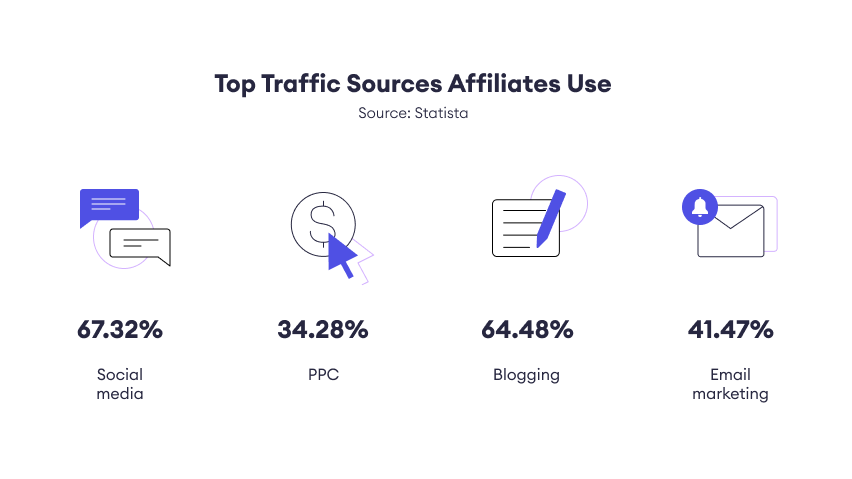
Email marketing is a highly effective strategy for affiliate marketing without a website. It allows you to directly connect with your audience and promote affiliate products through personalized, targeted emails.
Building an email list for affiliate marketing
The first step in implementing an email marketing strategy is to build an email list. Start by offering valuable content or incentives that encourage visitors to subscribe to your email newsletter. You can create a dedicated landing page with a compelling call-to-action, such as a free e-book or a discount code. Additionally, leverage social media platforms to drive traffic to your landing page and capture email addresses.
Once you’ve accumulated a decent number of subscribers, segment your email list based on their interests and preferences. This allows you to send targeted emails that are more likely to convert into affiliate sales.
Creating effective email campaigns
When crafting your email campaigns, focus on providing value to your subscribers. Share informative content, industry insights, and helpful tips related to the products you’re promoting as an affiliate. Avoid being overly salesy or pushy, as this can turn off your audience. Instead, build trust and credibility by delivering valuable content and showcasing your expertise in the niche.
Remember to include clear and enticing calls-to-action in your emails. These can be in the form of buttons or clickable banners that link to the affiliate product page. Make sure the call-to-action stands out and is easily accessible.
email marketing is a powerful strategy for affiliate marketing without a website. By building an email list and creating effective email campaigns, you can connect with your audience, provide value, and drive affiliate sales. Start implementing these strategies today to boost your affiliate marketing efforts.
This image is property of affise.com.
Content Marketing Approaches
Content marketing is an effective strategy for affiliate marketing without a website, as it allows you to provide valuable information and engage with your target audience. There are two key approaches you can take: writing informative blog posts and creating engaging video content.
Writing informative blog posts for affiliate marketing
One way to market affiliate products without a website is by writing informative blog posts. Identify the pain points and needs of your target audience and create content that addresses those concerns. Your blog posts should provide helpful information, offer solutions, and showcase the benefits of the affiliate products you’re promoting. Remember to include your affiliate links within the content, making it easy for readers to take action.
Creating engaging video content for affiliate products
Another effective approach is to create engaging video content that promotes your affiliate products. With platforms like YouTube and social media, you can reach a wide audience and drive traffic to your affiliate links. Consider creating product reviews, tutorials, or demonstrations to captivate your viewers. Be sure to optimize your videos with relevant keywords and include call-to-action overlays or end screens to encourage viewers to click on your affiliate links.
By utilizing content marketing approaches like writing informative blog posts and creating engaging video content, you can effectively promote affiliate products without the need for a website. These strategies allow you to engage with your target audience, provide valuable information, and drive traffic to your affiliate links. Start implementing these approaches today and maximize your affiliate marketing efforts!
Effective SEO Strategies
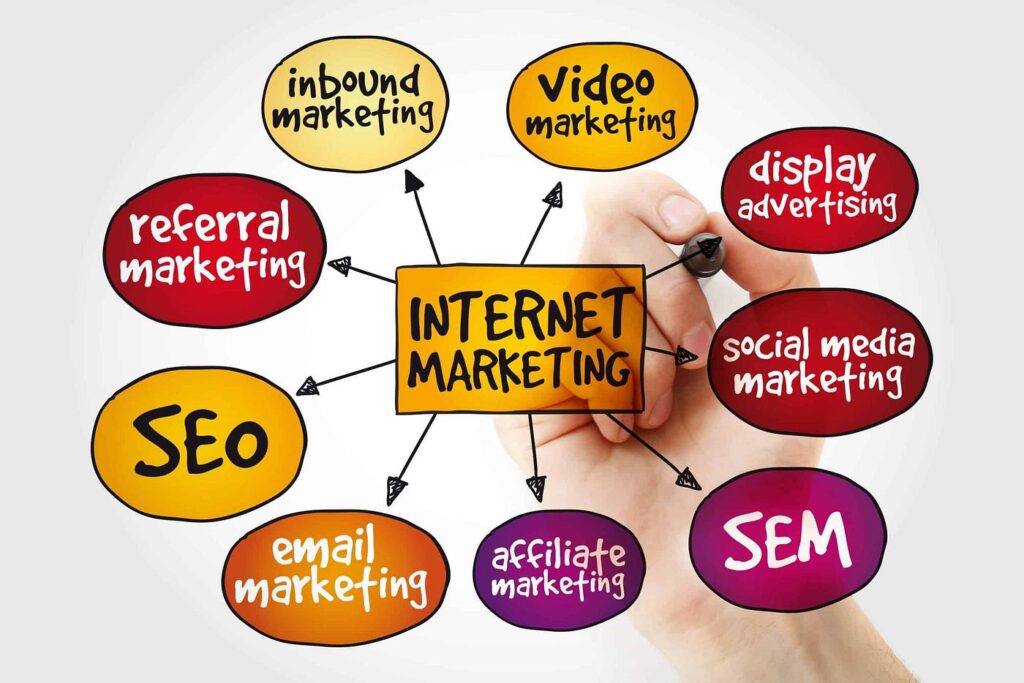
Affiliate marketing without a website might seem challenging, but with the right strategies, you can still achieve success. One such strategy is implementing effective SEO techniques to improve your visibility in search engine results. By optimizing your content for search engines, you can increase your chances of attracting more potential customers and driving more affiliate sales.
Optimizing product reviews for search engines
Product reviews are a powerful tool in affiliate marketing, as they provide valuable information to potential customers. To optimize your product reviews for search engines, make sure to include relevant keywords throughout the content. Conduct keyword research to identify the most popular terms related to the product you are promoting. Incorporate these keywords naturally and strategically into your review to improve your search engine rankings.
Creating keyword-rich content
In addition to optimizing your product reviews, creating keyword-rich content is essential for affiliate marketing without a website. Research and identify the most relevant keywords for your niche and integrate them into your content. This can include blog posts, social media captions, or even short video descriptions. By prioritizing keywords, you increase the likelihood of your content appearing in search engine results, attracting more potential customers and increasing your chances of earning affiliate commissions.
Remember, effective SEO strategies for affiliate marketing without a website can greatly enhance your visibility online. By optimizing your product reviews and creating keyword-rich content, you can improve your chances of reaching a wider audience and increasing your affiliate sales.
This image is property of miro.medium.com.
Utilizing Influencers for Promotion
In the ever-evolving world of affiliate marketing, one strategy that has gained significant momentum is utilizing influencers to promote products or services. When you collaborate with influencers, you tap into their dedicated and engaged audience, allowing you to reach a broader customer base without even having a website.
Finding suitable influencers for affiliate marketing
To find the right influencers, you need to identify those who align with your niche or industry. Look for influencers whose values, interests, and target audience are similar to yours. Utilize social media platforms like Instagram, YouTube, or TikTok, where influencers have a significant presence. Consider factors such as their engagement rate, number of followers, and authenticity of their content when selecting suitable influencers for your affiliate marketing campaign.
Negotiating partnerships with influencers
Once you’ve found influencers who resonate with your brand, it’s time to negotiate partnerships. Reach out to them via direct messages or emails, expressing your interest in collaborating and detailing the benefits they would gain from promoting your products or services. Be open to discussing various collaboration formats, such as sponsored posts, product reviews, or affiliate links. Remember, building a mutually beneficial relationship with influencers is key to a successful affiliate marketing campaign.
leveraging influencers is an effective strategy for affiliate marketing without a website. By carefully selecting suitable influencers and negotiating partnership terms, you can extend your reach and connect with a larger audience, ultimately driving more conversions and boosting your affiliate marketing success.
This image is property of ahkr.b-cdn.net.
Effective Affiliate Partnerships
Affiliate marketing can be a highly lucrative business, even without having your own website. By leveraging effective strategies, you can build successful affiliate partnerships and maximize your earnings. In this section, we will explore two key aspects of establishing effective affiliate partnerships: finding profitable affiliate programs and building strong relationships with affiliate partners.
Finding Profitable Affiliate Programs
To start off, research is key. Look for affiliate programs that align with your niche and offer competitive commissions. Platforms like Amazon Associates, CJ Affiliate, and ShareASale provide a wide range of products and services to choose from. Take the time to analyze the potential profitability of different programs by considering factors such as commission rates, conversion rates, and cookie durations.
Building Strong Relationships with Affiliate Partners
Once you’ve identified promising affiliate programs, it’s crucial to establish strong relationships with your affiliate partners. Regular communication is essential. Reach out to your partners to introduce yourself and discuss collaboration opportunities. Offer your support and expertise to help them optimize their marketing strategies. By providing valuable insights and resources, you can strengthen your partnerships and foster mutual growth.
Remember, building trust is vital in affiliate marketing. Focus on promoting products and services that you genuinely believe in, as this will enhance your credibility with your audience and affiliate partners. Building effective affiliate partnerships without a website is about nurturing relationships, leveraging your expertise, and continuously staying informed about your niche. Implement these strategies, and watch your affiliate marketing venture flourish.
Conclusion
In conclusion, affiliate marketing without a website can be a highly effective strategy for boosting your sales and earning affiliate commissions. By utilizing various strategies, you can reach a wider audience and drive targeted traffic to your affiliate links, even if you don’t have your own website.
Summarizing the importance of affiliate marketing without a website
Affiliate marketing without a website allows you to tap into the power of online marketing without the need for technical skills or a costly website. It provides an opportunity to promote products and services through various channels such as social media, email marketing, and content platforms. This flexibility allows you to adapt your marketing approach based on your target audience and the platforms they frequent.
Reiterating the effectiveness of various strategies
Throughout this article, we explored multiple strategies for affiliate marketing without a website. We discussed the importance of leveraging social media platforms, creating engaging content, utilizing email marketing, and partnering with influencers. These strategies have been proven to drive traffic, generate leads, and ultimately increase your affiliate sales.
Remember, the key to success in affiliate marketing without a website lies in understanding your target audience, selecting the right platforms, and providing valuable and relevant content. With dedication, persistence, and these effective strategies, you can thrive in the world of affiliate marketing, even without a website. Start implementing these strategies today and watch your affiliate commissions soar!